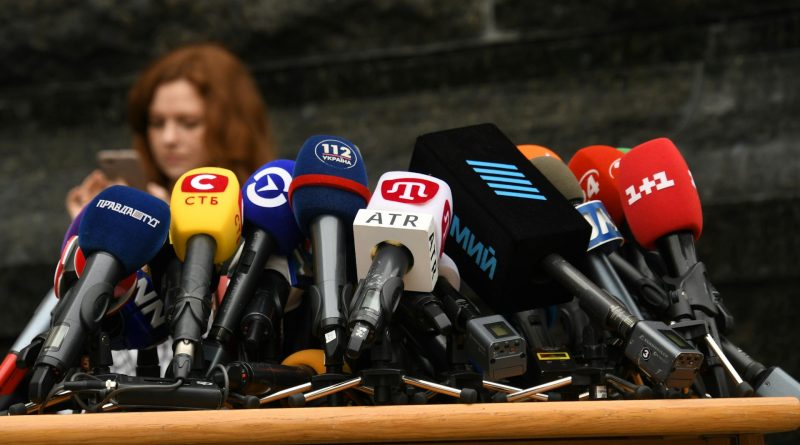
Media freedom in Singapore : challenges, restrictions and press landscape explained
Singapore ranks 140th out of 180 countries in the 2024 World Press Freedom Index published by Reporters Without Borders (RSF).
That figure alone tells a story — one that many outsiders find surprising for a country widely admired for its economic efficiency and institutional transparency.
Understanding press freedom in Singapore requires moving beyond surface impressions and examining the actual legal and structural mechanisms that shape what journalists can and cannot do.
The legal framework shaping press restrictions in Singapore

Singapore’s media environment is defined by a dense set of laws that give authorities broad discretion over content. The Newspaper and Printing Presses Act (NPPA) requires all print publications to renew their licenses annually — a system that effectively places editorial independence under government oversight.
Foreign publications deemed to have “”interfered in domestic politics”” can be restricted in circulation, as happened to The Economist and the Far Eastern Economic Review in past decades.
The Protection from Online Falsehoods and Manipulation Act (POFMA), enacted in May 2019, added a new dimension. Under this legislation, ministers can issue correction directions or removal orders against content they classify as false.
Critics, including the Committee to Protect Journalists, argue the law grants the executive branch unchecked power to define “”falsehood.”” Supporters counter that it shields citizens from coordinated disinformation campaigns.
Defamation law is another pressure point. Singapore’s legal system allows public figures — including government officials — to sue for defamation with relative ease, and the financial exposure for defendants can be significant.
Several foreign correspondents and opposition figures have faced suits over the years, creating what media analysts describe as a chilling effect on investigative reporting.
From a supply chain transparency perspective, this legal opacity is worth noting : just as opaque vendor contracts create downstream compliance risks, unclear media regulations make it harder for businesses operating in Singapore to assess reputational exposure when local coverage of their operations is constrained.
Who controls the media landscape in Singapore
Ownership structure explains much of how the press operates day-to-day. Mediacorp, the dominant broadcaster, is owned by Temasek Holdings, a state investment company.
Singapore Press Holdings (SPH), which until its restructuring in 2021 controlled most major print titles including The Straits Times, was reorganized into a non-profit structure — a move that sparked debate about long-term editorial independence.
| Outlet | Type | Ownership link |
|---|---|---|
| The Straits Times | Print / Digital | SPH Media Trust (non-profit) |
| CNA (Channel NewsAsia) | TV / Digital | Mediacorp / Temasek |
| Today | Digital | SPH Media Trust |
| The Online Citizen | Digital (restricted) | Independent (license suspended 2021) |
The Online Citizen, one of the few genuinely independent digital voices, had its operating license suspended in September 2021 after refusing to declare its funding sources as required under the POFMA framework.
The move underscored how quickly alternative media can be sidelined through administrative — rather than judicial — procedures.
This concentration of ownership mirrors risks familiar in global sourcing : when a single node controls critical flows, whether information or components, the whole system becomes brittle.
Diversification of reliable sources matters just as much in media as it does in supplier networks.
International assessments and the Singaporean government’s perspective
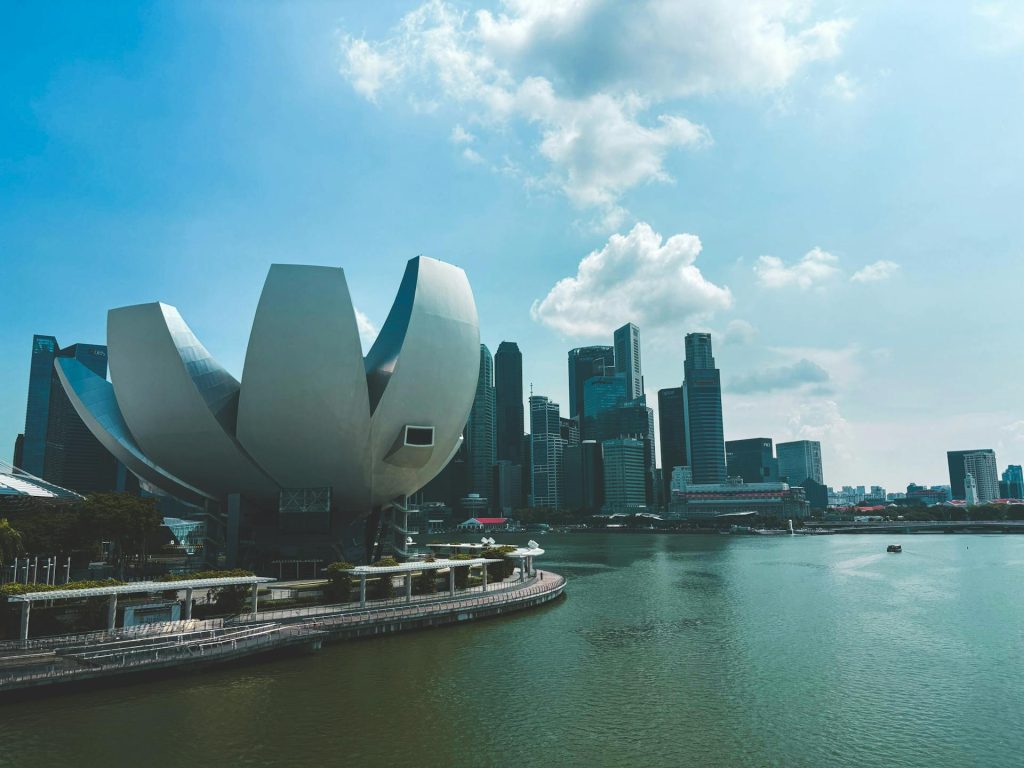
RSF and Amnesty International consistently flag Singapore for self-censorship among journalists, restricted access for foreign reporters on sensitive topics, and the use of legal mechanisms to silence dissent.
RSF’s 2024 report specifically notes the absence of a shield law protecting journalists’ sources — a foundational element of press freedom in most liberal democracies.
The Singaporean government pushes back firmly. Officials argue that the city-state’s media model prioritizes social cohesion and stability in a multiracial, multilingual society of under 6 million people.
They point to high internet penetration — above 90% — and the availability of foreign news sources online as evidence that Singaporeans are not informationally isolated.
- No independent press regulator exists outside government-linked bodies
- Journalists cannot legally protect confidential sources
- Foreign media face circulation restrictions if deemed politically intrusive
- POFMA corrections can be issued without prior court approval
There is a pragmatic logic to the government’s framing. Singapore manages extraordinary ethnic and religious complexity, and its leadership argues that irresponsible reporting carries outsized social risks in such a context.
Still, the line between responsible editorial judgment and state-mandated conformity remains contested — and that ambiguity has direct consequences for how freely journalists operate.
Navigating information gaps when doing business in Singapore
For any organization tracking Southeast Asian markets, Singapore’s constrained media environment creates specific due diligence challenges. Local investigative journalism on corporate misconduct, regulatory failures, or labor practices is limited.
Businesses relying solely on domestic coverage for their market intelligence will likely encounter blind spots.
Cross-referencing local sources with regional outlets like Nikkei Asia, international wire services, and NGO reports becomes essential — much the same way a robust sourcing dashboard integrates data from multiple supplier tiers rather than relying on a single contact point.
Triangulating information from diverse, independent channels is the only reliable method when primary sources operate under structural constraints.
The trajectory matters too. Singapore’s digital media space is growing, and younger journalists are pushing at existing boundaries through newsletters, podcasts, and regional collaborations.
Pressure from civil society, combined with the economic incentive to attract global talent who value open information flows, may gradually shift what’s editorially possible — not through confrontation, but through quiet, incremental expansion of the acceptable.